One problem, inspected and explained: a defect report, £319
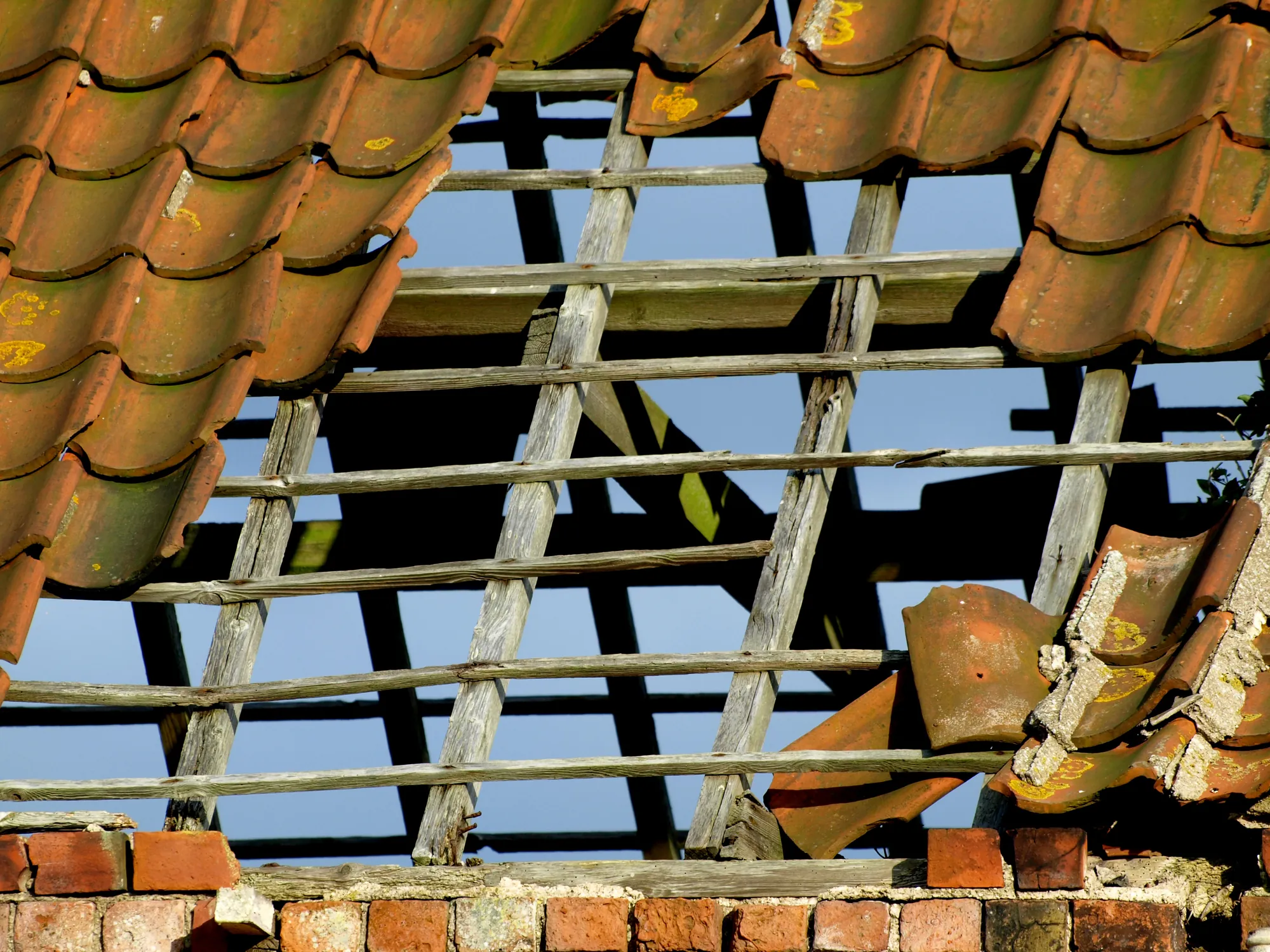
A stained ceiling, a wall that is wet every winter, a roof slope that keeps shedding slates. We visit, look closely at that one thing, and tell you in writing what is probably causing it, what the repair options are and who to call next. £319, visit included.
- £319, visit included
- Likely cause and repair options
- Roofs, walls, basements and leaks
What does a building defect report cost?
The report is £319 with the visit included and no VAT to add. It covers one defect or one element of the building, for example a roof slope, an external wall, a cellar or a leak. We inspect it closely, photograph it and write down the likely cause, the sensible repair options and which professional to call next. For the whole house, a property condition report is the right one.
Structural calculations, engineering design and formal inspections are provided only through an appointed professional, such as a structural engineer or a building control surveyor. These reports do not replace them: where a report finds something that needs one, it says so and names the kind of professional to appoint.
What you receive for £319
- A close inspection of the one problem, with the area around it checked for what may be feeding it
- Photographs with notes, so a builder or insurer can see what you saw
- The likely cause, and how sure we are of it, in plain words
- Two or three repair options, from a patch to a proper fix, and what each involves
- Who to call next: a roofer, a damp specialist, a plumber or a structural engineer, whichever the cause points to
Defect report or condition report?
A defect report looks at one thing. A property condition report looks at the whole house and ranks every repair. If you can say where the problem is, start here, because the fee is lower and the answer is more detailed.
If the visit turns up something worrying elsewhere, we say so in the report. We will not quietly widen the job.
What kinds of problem do we inspect?
Anything you can see on one element of a house: a roof slope or flat roof that lets water in, a rendered or brick wall that is spalling or stained, a basement or cellar that is wet, a ceiling or wall marked by a leak, a failing chimney or parapet.
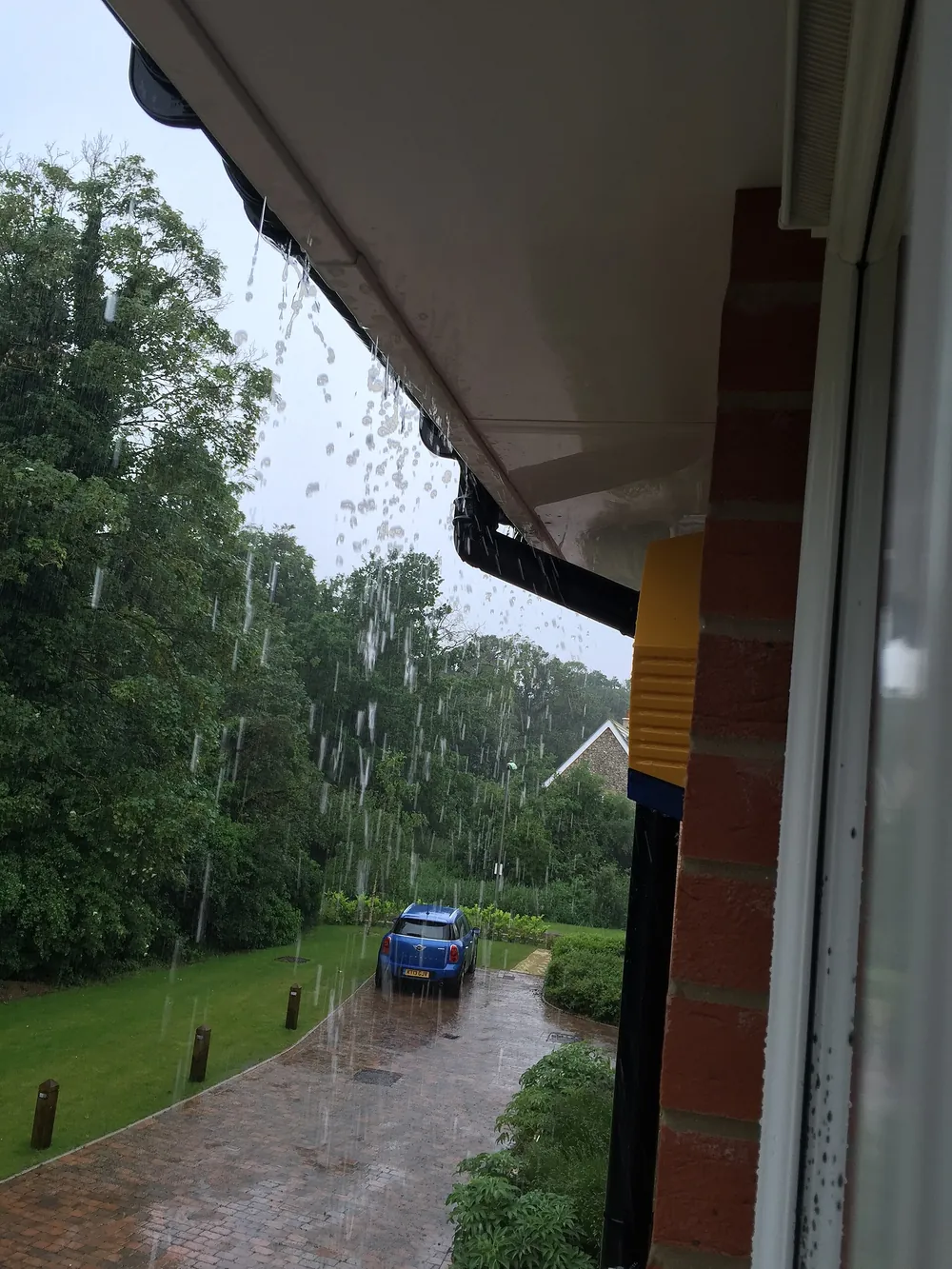
The report treats the visible symptom as the clue and follows it to the likely source, such as a blocked gutter, failed flashing, a slipped tile or a pipe, then sets out how to put it right.
- Roof: slipped or missing tiles, flashings, flat-roof ponding, gutters
- Walls: damp patches, cracked or blown render, failed pointing, spalling brick
- Basement or cellar: water at the floor or the wall base
- Leaks: staining below a bathroom, a roof or a pipe run
Cracks and movement go to a structural engineer
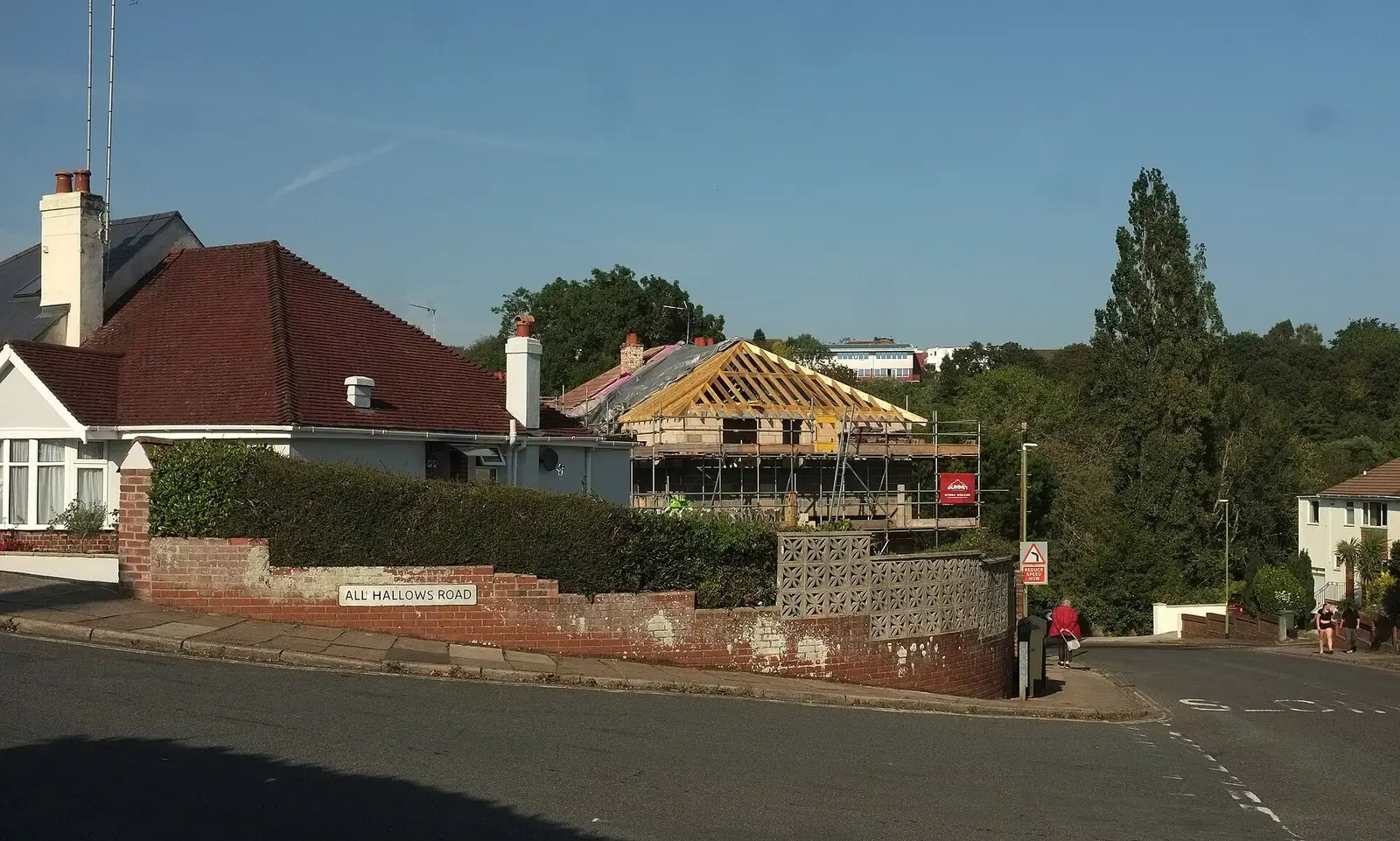
If the problem is cracking, a sloping floor or doors that stick, the cause may be in the foundations. We do not give a structural opinion. The report records what we see, photographs it and tells you to appoint a structural engineer, and our structural inspection for cracks arranges one.
Photograph the crack and note the date before anyone patches it, so the engineer sees what you saw.
Water and damp: what we can and cannot tell you
We can trace where water is getting in by eye and from the pattern of staining, and we can tell a roof or gutter fault from a likely plumbing leak. We do not run instruments through the wall, so a damp problem that needs testing is passed to a damp specialist, named in the report.
For a rented home the cost of waiting matters. A landlord is responsible for a hazard from when they are told of it (gov.uk), so a dated report gives you a record of when you found out and what you decided.
From the report to the repair
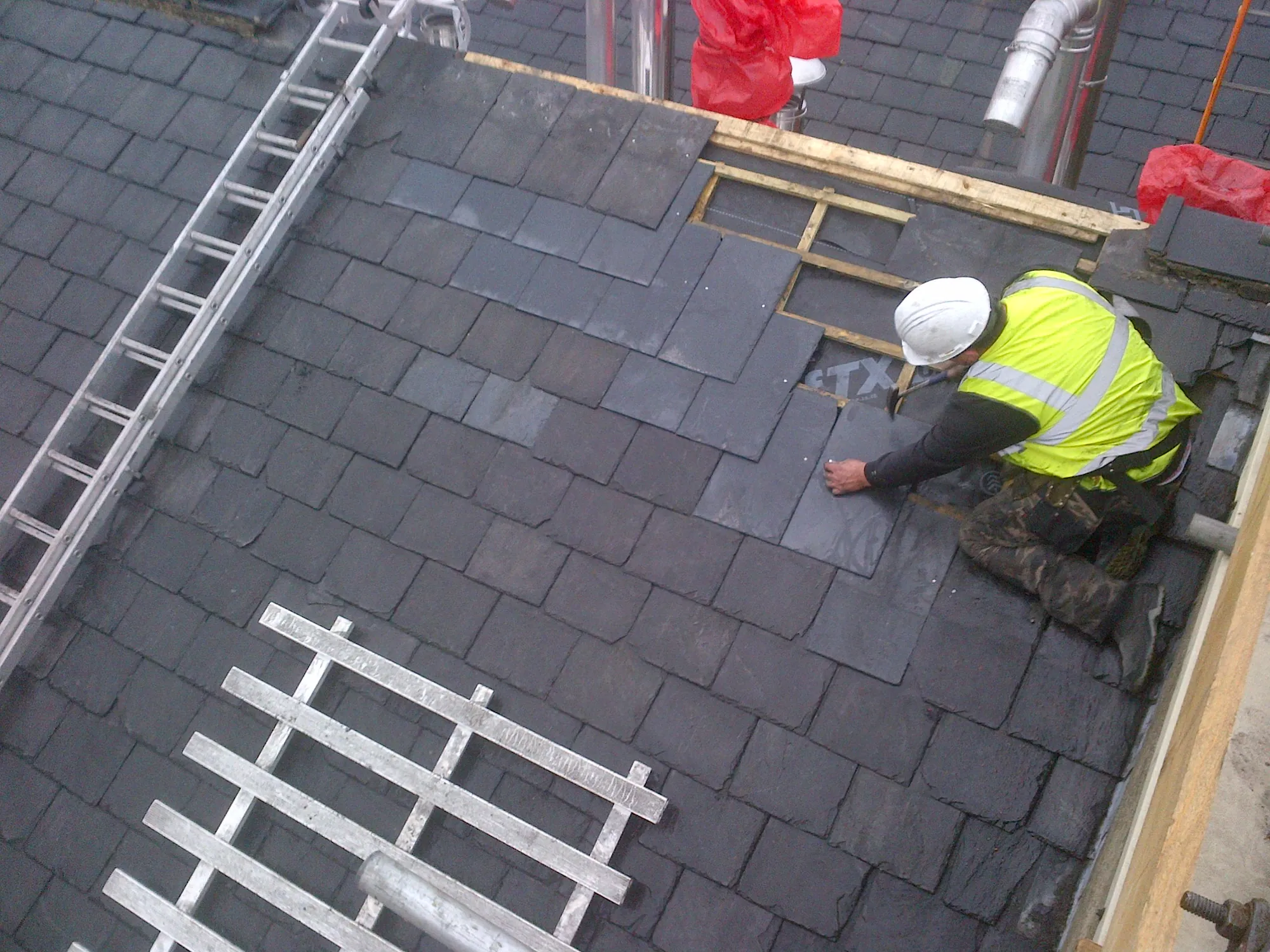
Some repairs are small enough to hand straight to a roofer. For anything with several trades, a repair scope of works puts the work into a measured list that builders price line by line. Replacing roof coverings is on the list of work that needs building regulations approval (gov.uk), and a repair to a shared wall may bring in the Party Wall etc. Act (section 2).
All of our reports are listed on the reports page.
Rules that matter when something is defective
- From notice
- The guidance says a landlord is considered responsible for a hazard from when the tenant makes them aware of it, which is why a dated report is useful. gov.uk: guide for landlords, Homes Act 2018
- 29 hazards
- A court deciding whether a rented home is fit to live in looks at, among other things, the 29 hazards in the Housing Health and Safety (England) Regulations 2005. gov.uk: guide for landlords, Homes Act 2018
- Rented or owned
- The Housing Health and Safety Rating System identifies and assesses risks to health and wellbeing in a home whether it is rented or owned. gov.uk: HHSRS guidance for landlords
- Roof coverings
- Replacing roof coverings on pitched and flat roofs is on the government’s list of alterations that need building regulations approval. gov.uk: when you need building regulations approval
- Party structure
- The Party Wall etc. Act 1996 gives a building owner the right to make good, repair, or demolish and rebuild a party structure, subject to its notice rules. Party Wall etc. Act 1996, section 2
- One contractor
- On a domestic job with a single contractor, the client duties under the construction health and safety rules pass to that contractor. HSE: CDM 2015, domestic clients
Building defect report questions
What is the difference between a defect report and a condition report?
A defect report examines one problem or one part of the building. A condition report walks the whole house. Pick the defect report when you know where the trouble is.
Do you test for damp with a meter?
We inspect by eye and read the staining. If damp needs instrument testing or opening up, the report names a damp specialist to appoint.
Who do I call if the cause is structural?
A structural engineer. We do not give a structural opinion. The report records the evidence, tells you to appoint an engineer and says what to show them.
Can I use the report with my insurer?
It gives dated photographs and a written cause, which is useful evidence. Whether a claim is paid is for the insurer and its loss adjuster.
Is £319 the whole fee?
Yes, for one defect or element and one visit. No VAT is added. Repairs and specialists are paid for separately.
Other services people book with this one
Find out what is causing it
Tell us what you can see and where. We reply with a visit date and the fixed fee.