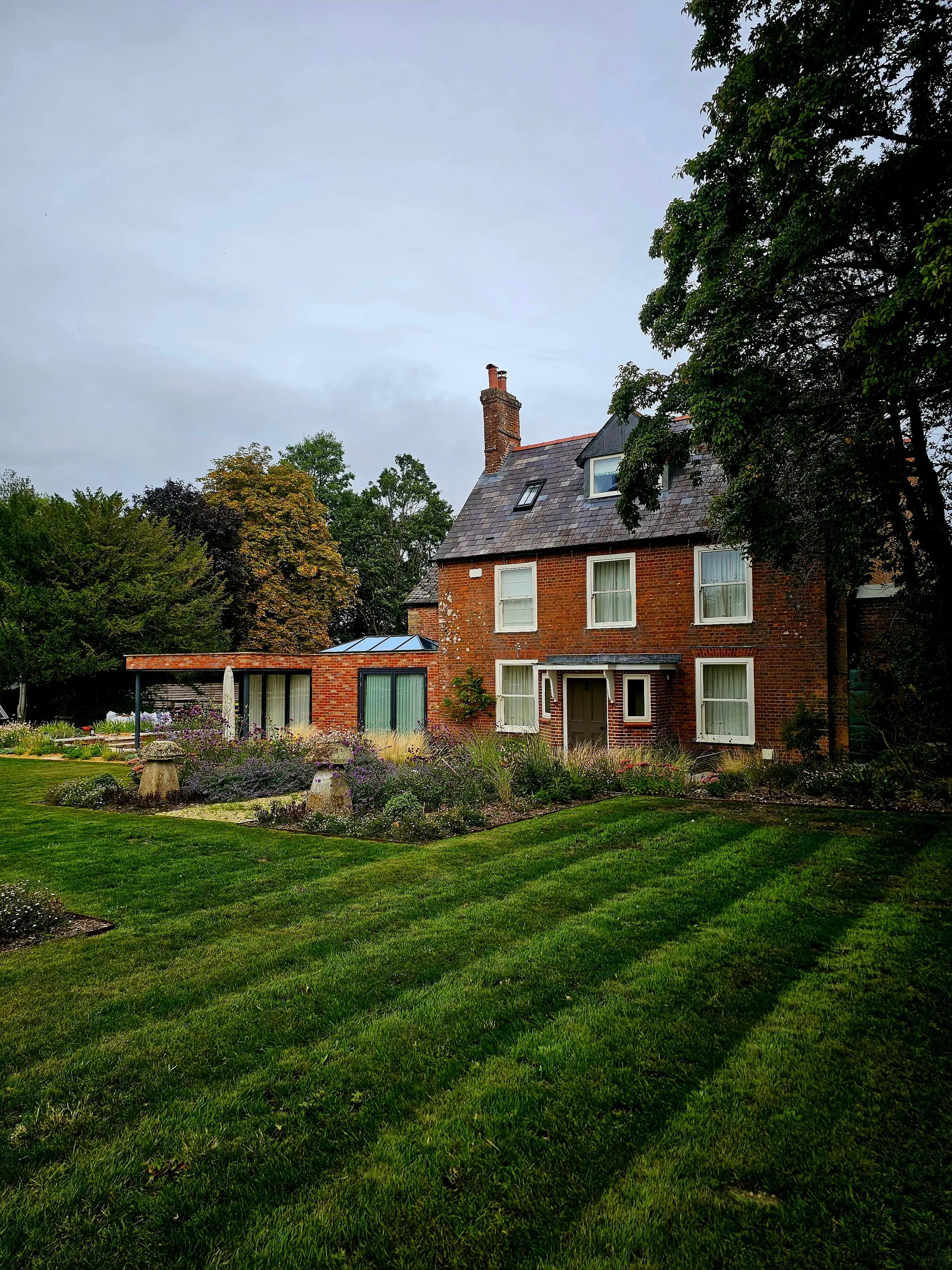
A snagging report for your extension, £269 fixed
The scaffold is down and the builder wants the final payment. We visit, compare what was built with the drawings, and give you a numbered list of defects with a photograph of each. £269, no VAT to add.
- £269 fixed, no VAT to add
- Photographs of every item
- Checked against your drawings
What does a snagging report for an extension cost?
The fee is £269, fixed, with no VAT to add. A chartered architectural technologist (MCIAT) visits your finished extension and inspects it by eye against the drawings and specification. You get a numbered snag list with photographs, plus a check that the handover paperwork is in the file. Use it before the final payment, while the builder still has a reason to come back.
Structural calculations, engineering design and formal inspections are provided only through an appointed professional, such as a structural engineer or a building control surveyor. These reports do not replace them: where a report finds something that needs one, it says so and names the kind of professional to appoint.
What is in the £269 report
- A room-by-room visual inspection of the finished work, compared with the drawings and any specification
- A numbered snag list, each item photographed and located on a plan or described by room
- A note of anything that differs from the drawings, so you can ask the builder to correct it or record the change
- A check of which handover documents are in your hands and which are still missing
- A short covering note saying which items look cosmetic and which need a specialist, such as an engineer or a gas or electrical registered installer
What is snagging, and when should it happen?
Snagging means listing the small faults left when the main work stops: a door that catches, paint over a socket, a gap in the skirting, a window that will not lock. It should happen once the building is finished but before you pay the last invoice, because that is when your builder is most willing to come back.
A builder will often snag their own work. A list from someone who has the drawings in hand is different: it also catches what was drawn one way and built another, such as a window moved or a step missing.
What we look at on the visit
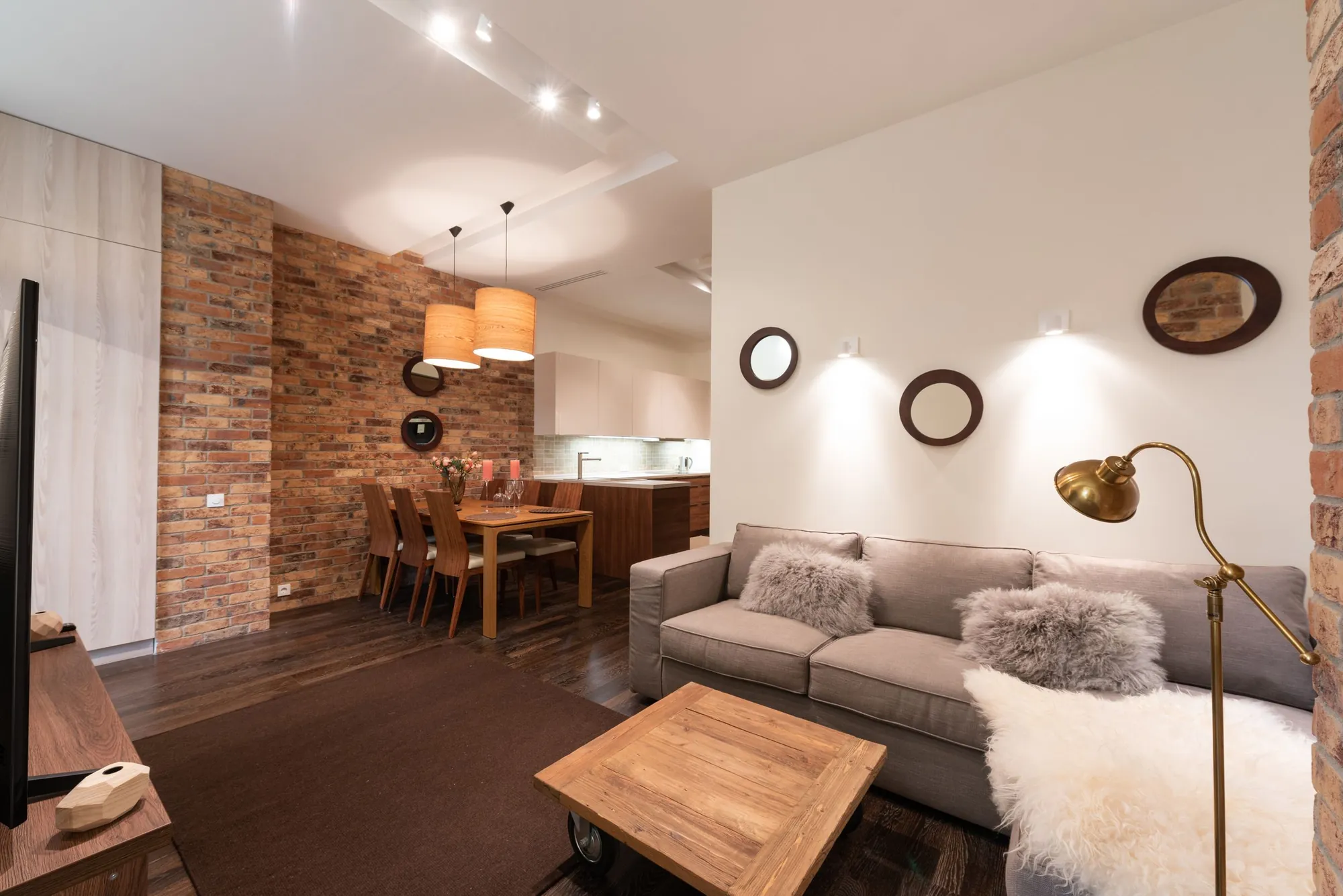
We look at what can be seen and tried: finishes, fixings, openings, falls, junctions, ironmongery and fittings, and whether the room matches the drawn layout. We photograph each fault and write it up plainly so a builder can act on it.
We do not open up the structure, test services or take readings. If something looks as if it needs a structural engineer, building control or a registered installer, the report says so and names the kind of professional to appoint. We do not supply that work ourselves.
- Walls, ceilings and floors: cracks, uneven finishes, gaps and damage
- Windows and doors: operation, locks, seals and alignment with the drawings
- Kitchen and bathroom fittings: fixing, sealing and operation
- External work: brickwork pointing, roof edges, gutters and the finish around openings
What counts as a defect and what is a change
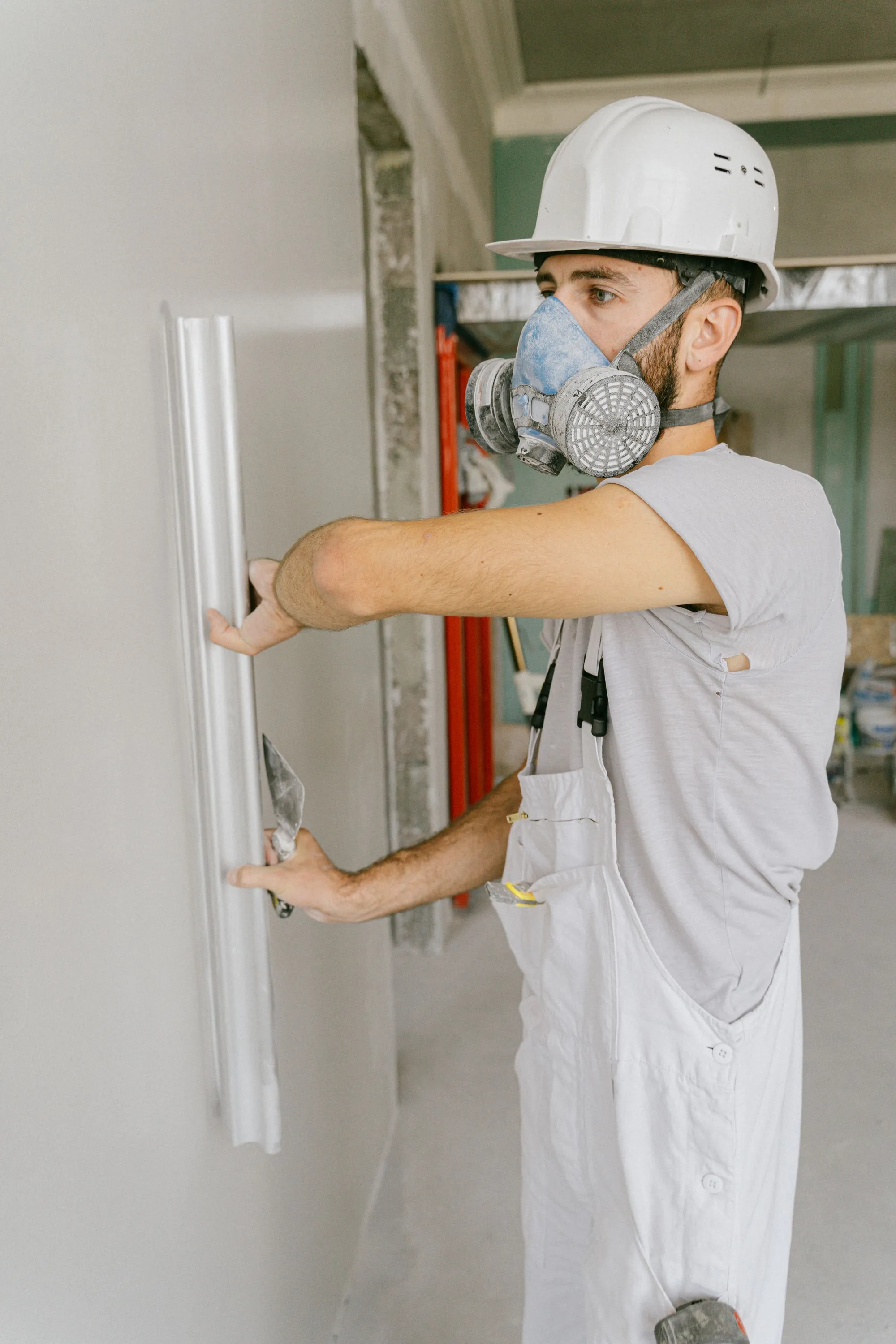
A defect is something that does not meet the contract or the standard of reasonable care and skill (Consumer Rights Act 2015, section 49). A change is something built differently from the drawings. We separate the two in the list, because the fix differs: a defect is the builder’s to put right, while a change may need your agreement or, for a planning permission, a conversation with the council.
If the builder will not correct a defect, the law gives you a right to have the service repeated at no cost to you (section 55). The report is evidence you can attach to that request. It is not legal advice.
Handover documents: the certificate people forget
At the end of the job you should hold the building control completion certificate and the certificates for any electrical or gas work. We check which are in the file and list those that are not, so you can ask for them before the last payment.
Completion works like this: the person doing the work gives the authority a completion notice within five days (regulation 16), and in England the authority has eight weeks to give the certificate if it is satisfied (regulation 17). Without approval, gov.uk warns that you may not have the certificates you need when you sell. If a certificate is missing, our regularisation drawings service is the next step.
What this report is not
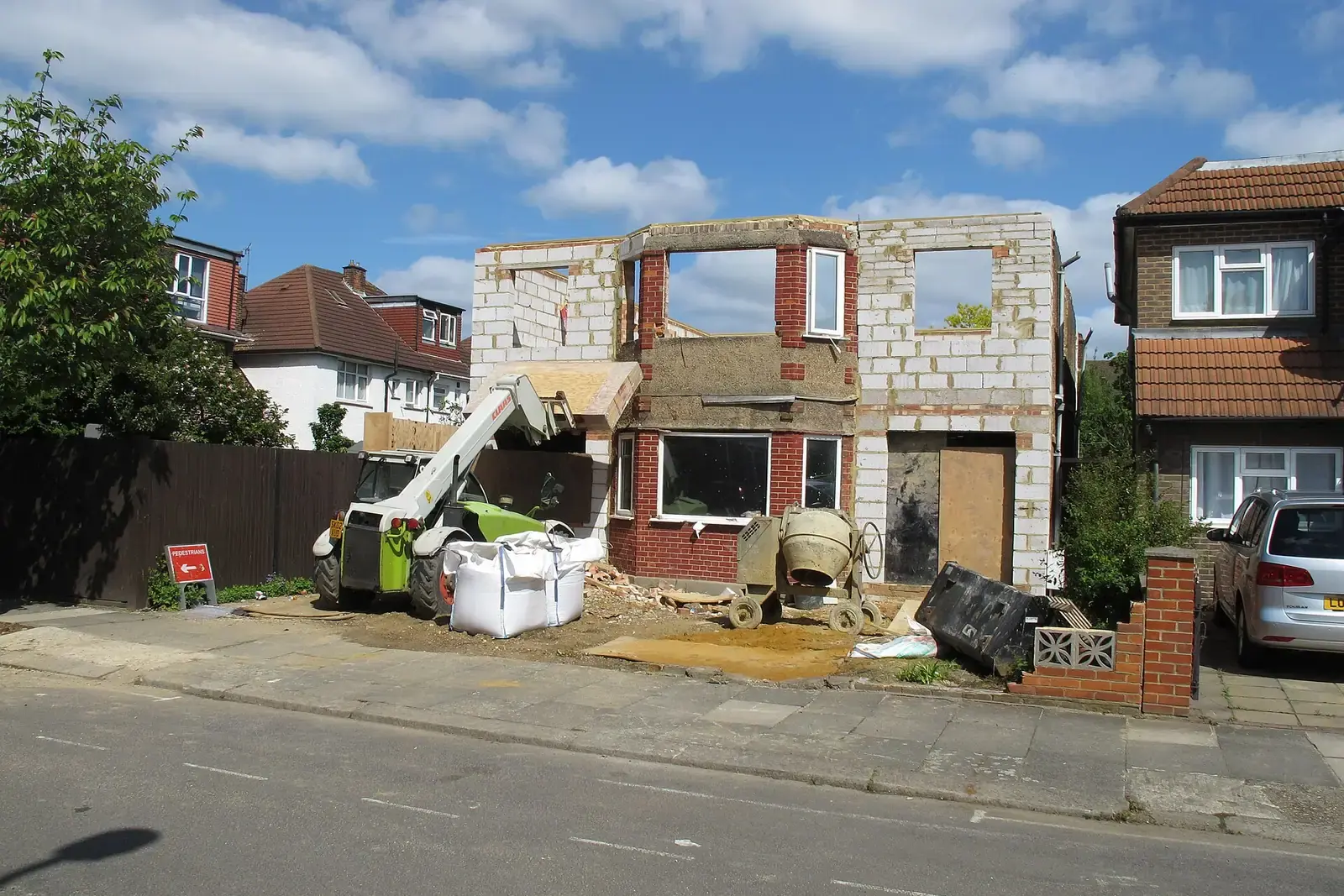
It is a visual inspection by a chartered architectural technologist. It is not a RICS survey, it is not a building control inspection and it does not sign off the work. Formal inspections come only through an appointed professional, such as a building control surveyor.
You have time, too: contract claims can generally be brought for six years (Limitation Act 1980, section 5). But the longer you wait, the harder it is to show what was wrong at handover, so have the report done close to completion. More in the builder’s and construction reports hub and the reports index.
The rules behind a snagging inspection
- 8 weeks
- In England the relevant authority must give a completion certificate within eight weeks of receiving the completion notice, where it is satisfied that the work complies. Building Regulations 2010, regulation 17
- 5 days
- The person carrying out the work must send the completion notice no more than five days after the work is completed. Building Regulations 2010, regulation 16
- Not conclusive
- A completion certificate is evidence of compliance but not conclusive evidence, and it says so on its face. Building Regulations 2010, regulation 17
- Reasonable care and skill
- Every contract to supply a service is treated as including a term that the trader must perform it with reasonable care and skill. Consumer Rights Act 2015, section 49
- At no cost to you
- You can require a trader to repeat the service so far as needed to meet the contract, within a reasonable time, without significant inconvenience, and the trader bears the costs. Consumer Rights Act 2015, section 55
- 6 years
- An action founded on a simple contract cannot be brought after six years from when the cause of action arose. Limitation Act 1980, section 5
Snagging report questions
Should I pay the builder before or after snagging?
Hold the final payment until the list is agreed, if your contract allows it. The report gives you a dated, photographed list to point to. Read your contract first, and take legal advice if the builder disputes it.
Is this a RICS survey or a building control inspection?
No. It is a visual inspection by a chartered architectural technologist, compared with your drawings. A building control surveyor carries out the formal inspections.
What if you find a structural problem?
We say so in the report and name the professional to appoint, usually a structural engineer. We do not diagnose structure from a visit.
Can the builder be made to fix the items?
If the work was not done with reasonable care and skill, you can require it to be put right at no cost to you within a reasonable time.
Do you need the drawings?
It helps a lot. If we drew them, we have them. If someone else did, send a copy. Without drawings we can still list defects but cannot compare the layout.
Other services people book with this one
Book your snagging inspection
Send the address and the drawings. We reply with a booking date and the fixed fee of £269.