- Written by
- The Drawings4Planning technical teamChartered architectural technologists (MCIAT)
- Published
- Updated
- Reading time
- 3 min
- Topic
- Planning permission
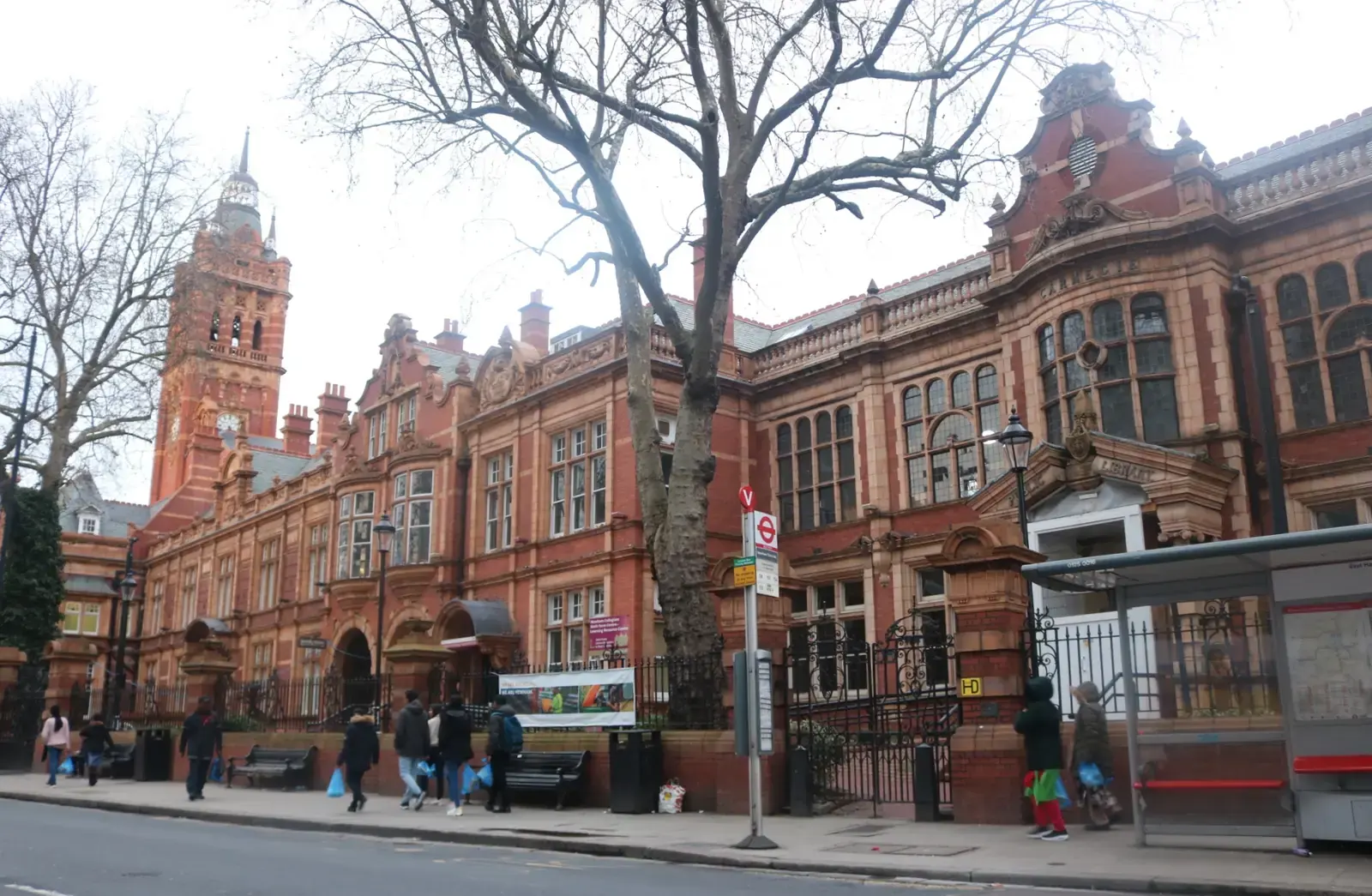
Red-brick and terracotta East Ham Town Hall with a clock tower, a bus shelter and pedestrians in front. Photo: David Howard, CC BY-SA 2.0.
What is in the £49?
A liability check first: does your scheme create 100 m² or more of new floor space, or a new house or flat? Then the forms that apply. Form 1 is the additional CIL information that goes in with the planning application. Form 2 is the assumption of liability, naming the person who will pay. Form 6 is the commencement notice, ready to send before work begins.
You also get a dated checklist so no notice goes late. The price starts at £49 for one project and we confirm the figure before you commit.
| Liability check, forms and dated checklist paid to us | £49 |
|---|---|
| Total | £49 |
From £49 to Drawings4Planning. The levy itself is paid to the council, never to us.
Does an extension pay the levy?
Probably not. The levy applies to development that creates 100 m² or more of new floor space, or a new dwelling (gov.uk), so a typical rear extension falls below it and a new house or flat is potentially liable at any size. Whether your council charges at all is set in its charging schedule.
Even when nothing is payable, the council may want Form 1 with the application. Applicants should submit it, and councils may refuse to validate without it.
What does a late notice cost?
Twenty per cent. Where a commencement notice is required for relief and is not submitted in time, the charging authority must impose a surcharge of 20% of the notional chargeable amount, capped at £2,500 (gov.uk). The authority can waive it only where it is less than the reasonable cost of collecting it.
The notice, Form 6, must reach the council at least one day before development is due to start. Putting the date in a checklist is a low-cost protection.
Who pays, and can you pay in instalments?
The landowner is liable, but anyone involved in a development may take on the liability. To benefit from payment windows and instalments, someone must assume liability before the development has commenced (gov.uk). Instalments are available only where the charging authority has published an instalment policy.
That is why Form 2 matters: it puts the name of the payer on the record before work starts. Where no one assumes liability, it defaults to the landowners and payment becomes due as soon as development commences.
Where the figures come from
- 100 m²
- CIL applies to development creating 100 m² or more of new floor space, or a new dwelling. gov.uk, Community Infrastructure Levy
- Form 1
- Applicants should submit additional CIL information (Form 1) with the planning application. gov.uk, Community Infrastructure Levy
- Form 2
- An assumption of liability names the person who will pay. gov.uk, Community Infrastructure Levy
- Form 6
- The commencement notice must be submitted to the authority before starting work. gov.uk, Community Infrastructure Levy
- 20%
- The surcharge for a late commencement notice is 20% of the notional chargeable amount, capped at £2,500. gov.uk, Community Infrastructure Levy
CIL forms cost questions
Is the levy included in the £49?
No. The levy is paid to the council, never to us, and its amount depends on the council’s charging schedule and the floor space.
Do I need the forms if no levy is due?
Councils may ask for Form 1 with the planning application whatever the result, and a commencement notice is needed where you rely on relief. We tell you which apply to your scheme.
Can I claim self-build relief?
Relief and exemptions exist, and they have their own forms and dates. We check eligibility at the liability check and put the dates in the checklist.
Why does the price start at £49?
A single project with a clear liability is £49. A scheme with several owners, phases or relief claims takes longer, and we quote it before we start.
Full details of the service: CIL forms.